What is the Delhi Liquor Policy and Excise Duty Case? A Complete Breakdown
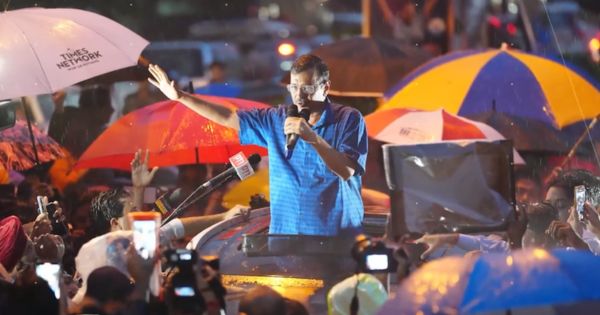
The Mayandana Bureau, New Delhi : The Delhi Liquor Policy and Excise Duty Case has gained widespread attention due to allegations of corruption and procedural irregularities linked to the Delhi government’s 2021-22 liquor policy. This case involves several high-profile figures, including Delhi Chief Minister Arvind Kejriwal and former Deputy CM Manish Sisodia. Let’s dive into what this case is about and why it matters.
On Friday Delhi Chief Minister Arvind Kejriwal has been granted bail in the excise policy case, leading to his release from Tihar Jail. Upon his exit, AAP leaders and supporters celebrated outside the jail, welcoming him with enthusiasm.
What is the Delhi Liquor Policy 2021-22?
In 2021, the Delhi government, led by the Aam Aadmi Party (AAP), introduced a new Excise Policy with the goal of reforming the sale and distribution of liquor in the city. The Delhi Excise Policy 2021-22 was intended to privatize liquor sales, shifting control from government-owned outlets to private vendors to increase transparency and generate higher revenue for the government.
The key objectives of this policy included:
- Promoting healthy competition in the liquor market
- Reducing the sale of counterfeit liquor
- Boosting state revenue through excise duty collection
However, the policy soon became controversial as allegations of corruption and financial mismanagement surfaced.
Allegations and Corruption Claims
Several accusations emerged claiming that the liquor policy was designed to favor certain private companies and individuals close to the AAP leadership. These alleged irregularities led to an investigation by the Central Bureau of Investigation (CBI) and the Enforcement Directorate (ED).
Here’s a summary of the key allegations:
- Undue Favors to Private Companies: It is alleged that the policy was tailored to benefit specific business groups, allowing them to dominate the liquor market in Delhi.
- Illegal Payments: The investigation revealed that certain private vendors paid large sums of money as bribes to government officials for securing contracts under the new policy.
- Money Laundering: The ED has accused several individuals, including high-ranking AAP officials, of laundering money received through these illegal transactions.
Timeline of the Case
- Policy Introduction (2021): The Delhi Excise Policy 2021-22 was implemented, privatizing liquor sales in the city.
- Complaints and Allegations (2022): Complaints were raised about irregularities in how the policy was formulated and implemented. Delhi’s Lieutenant Governor recommended a CBI probe.
- Investigations Begin: The CBI registered a case in August 2022, and later, the ED also launched a probe under the Prevention of Money Laundering Act (PMLA).
- Arrests: The ED and CBI arrested several key individuals, including Delhi’s Deputy CM, Manish Sisodia, and later questioned Chief Minister Arvind Kejriwal.
- Court Proceedings: As investigations progressed, both agencies filed multiple charge sheets, accusing AAP leaders of corruption, money laundering, and misuse of power.
Role of CBI and ED in the Liquor Policy Case
The CBI and ED are conducting separate but related investigations in the Delhi Liquor Policy Case.
- CBI’s Investigation: The CBI is investigating the procedural irregularities in the policy’s formation. It focuses on whether government officials violated rules to benefit certain business groups.
- ED’s Investigation: The ED is looking into the money laundering aspect of the case, probing how illicit funds were allegedly channeled through various companies and used for political purposes.
Major Accusations in the Case
- Misuse of Policy for Financial Gains: It is alleged that the AAP leadership crafted the excise policy to earn illegal profits. A specific claim is that the AAP received ₹100 crore as bribes from South Indian business groups.
- Election Funding with Illegal Money: A significant part of this money, around ₹45 crore, was allegedly used to fund the AAP’s election campaign in the 2022 Goa Assembly Elections.
- Corrupt Practices in Liquor Sales: The policy allowed wholesalers to earn unusually high profits, which critics claim were returned as kickbacks to top political leaders.
Arvind Kejriwal’s Arrest and Bail
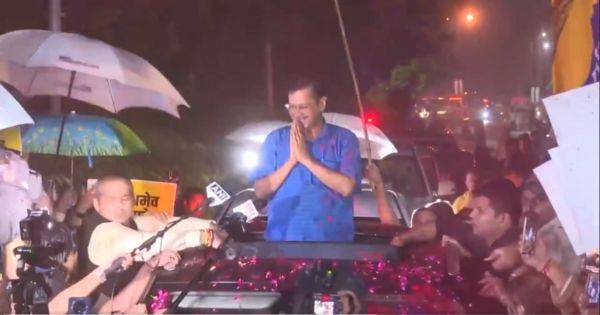
Chief Minister Arvind Kejriwal was arrested by the CBI in June 2023. The agency sought his custody to further investigate his role in the alleged corruption. After months in jail, the Supreme Court granted him conditional bail, allowing him to be released while investigations continue.
Current Status of the Case
As of now, the CBI has filed multiple charge sheets against several individuals, including Kejriwal, Manish Sisodia, and other top AAP leaders. The investigation is ongoing, with further developments expected in the coming months.
Why Does This Case Matter?
The Delhi Liquor Policy Case is significant for several reasons:
- Political Impact: The case directly involves senior leaders of the Aam Aadmi Party, which has built its reputation on anti-corruption values.
- Legal Precedent: The outcomes of this case could set legal precedents regarding how excise policies are framed and implemented across the country.
- Public Interest: With allegations of misuse of public office and mismanagement of funds, the case has raised concerns about transparency and governance in government policies.
Conclusion: What’s Next?
The Delhi Liquor Policy and Excise Duty Case is far from over. With both the CBI and ED actively investigating, more details are likely to emerge about the extent of the alleged corruption. As legal proceedings continue, the case is expected to remain a major political and legal issue in the months to come.